Month-by-month: the best time to visit Mashpi Lodge
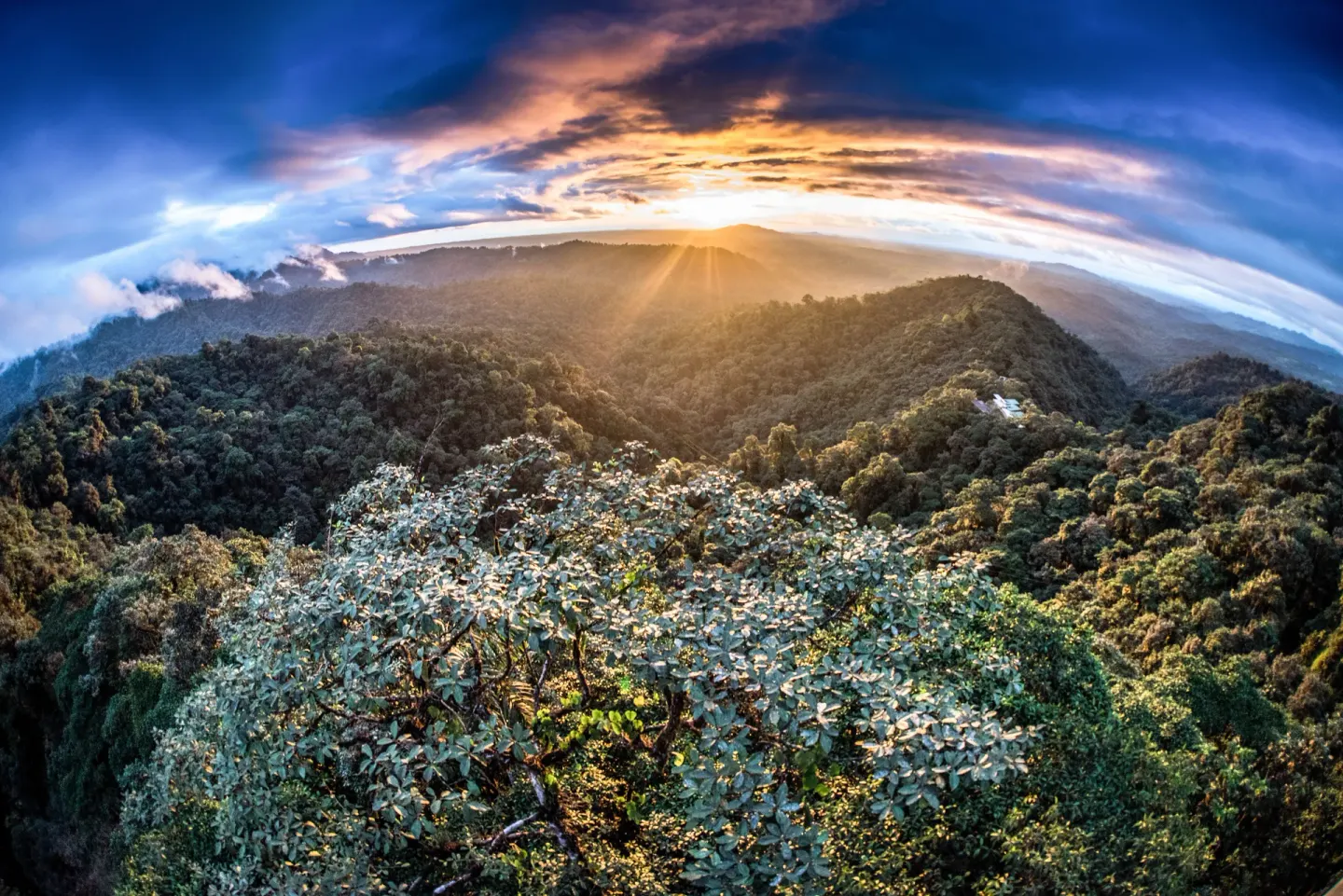
The clearest, most wildlife-friendly months at Mashpi Lodge are June through September (the drier season) for easier access, clearer skies and better canopy visibility. The wet season (roughly October–May, with peaks Jan–Apr) brings heavier rain, louder waterfalls and peak biodiversity—best for photographers and wildlife enthusiasts who don't mind muddy trails.
In this guide
January–March: wet season peak — highest biodiversity
This period is part of Mashpi’s wet season and often records some of the reserve’s greatest biodiversity — more frogs, orchids and flowering plants appear and many species are active. Expect frequent rain, higher humidity and dramatic, full waterfalls.
If you’re focused on wildlife photography, amphibian and orchid spotting, or seeing waterfalls at full strength, January–March is one of the best windows despite muddier trails and more overcast skies.
- Pros: abundant wildlife, dramatic waterfalls, peak flowering and frog activity
- Cons: heavier rain, muddy trails, more limited canopy visibility on cloudy days
- Practical: bring waterproof jacket, quick-dry layers, and good trail shoes; a 4x4 is recommended for the final gravel stretch in wet months
| Typical conditions | Suitability |
|---|---|
| High rainfall, lush vegetation | Great for biodiversity-focused visits and macro photography |
| Cloudy days, limited long-distance views | Less ideal for canopy panoramas or long telephoto bird shots |
| Waterfalls at full flow | Good for waterfall swims under guide supervision |
April–May: wet-to-dry transition — mixed conditions
April and May are a transition from the wetter months toward the drier season. Rainfall remains relatively high in April and typically starts easing in May, but conditions vary year to year.
You can still expect strong waterfall flows and good wildlife activity in April; by May trails begin to firm up and visibility improves, making it a good compromise for travelers seeking both biodiversity and more reliable access.
- Pros: fewer crowds than peak dry season, still excellent wildlife and waterfalls
- Cons: some wet days still likely, road conditions may remain rough
- Practical: flexible itinerary and layered rain gear recommended
| Month | What to expect |
|---|---|
| April | Still quite wet; highest biodiversity continues |
| May | Rainfall begins to taper; better trail conditions late in month |
June–September: dry season — best time for clearer views and canopy activities
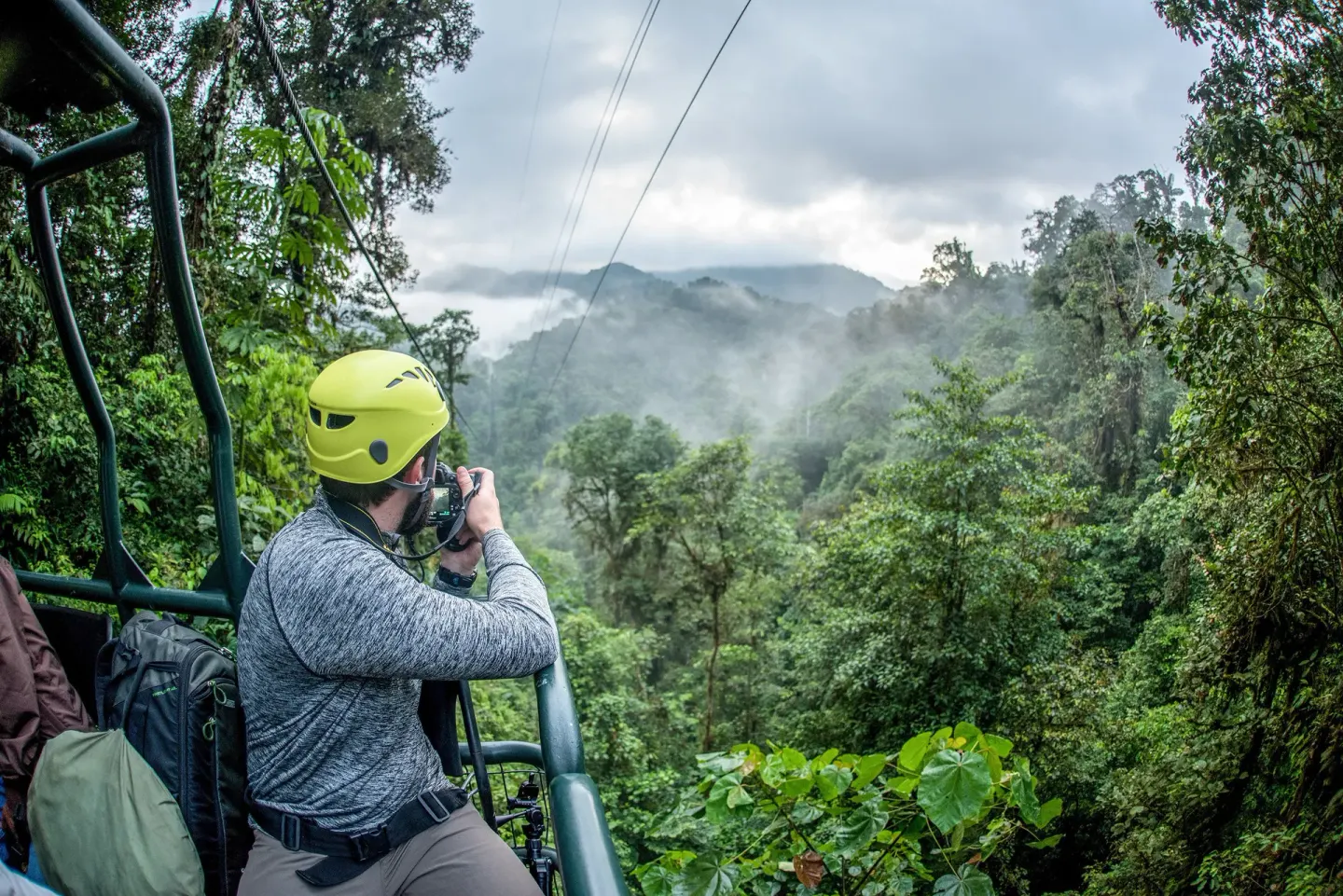
June through September is generally the driest period at Mashpi Lodge, offering clearer skies, lighter rainfall and improved access on the gravel road. These months are often recommended for first-time visitors who prioritize canopy visibility, the Dragonfly gondola, and observation-tower views.
Wildlife is still abundant though some cryptic species may be less active than in the wet season. Trails tend to be firmer and the Sky Bike and other canopy activities are easier to run reliably in drier conditions.
- Pros: clearer skies, firmer trails, easier road access, better long-distance views
- Cons: some seasonal species (e.g., certain frogs/flowers) are less prominent
- Practical: a regular sedan can sometimes manage the route in the dry season but a 4x4 is recommended for the final gravel stretch
| Activity | Likelihood in dry season |
|---|---|
| Dragonfly Canopy Gondola | Operating reliably; better visibility from gondola |
| Observation tower panoramas | Cleaner views on clearer days |
| Hiking and waterfall swims | Trails firmer but waterfalls lower than wet season |
October–November: transition back to wetter weather
October and November mark the shift back toward the rainy season. Rain increases gradually, with November often feeling noticeably wetter than October.
These months offer a balance: more waterfalls and plant growth than the dry season but less persistent downpour than the wettest months. If you want fewer visitors than June–September but still decent access, consider October or early November.
- Pros: fewer travelers than peak dry months, increasing waterfall drama
- Cons: growing likelihood of muddy trails and occasional service disruptions on remote roads
- Practical: check road-transfer conditions in advance and plan for some wet-weather cancellations
| Month | Best for |
|---|---|
| October | Good balance of access and increasing biodiversity |
| November | Start of wetter conditions; lush scenery |
December: holiday season and variable conditions
December can be variable—early December often still leans toward the wetter side, while late December sometimes benefits from drier pockets depending on the year. Holiday periods may see higher occupancy.
If you plan a December visit, confirm current weather patterns and road access with the lodge ahead of arrival, and consider booking preferred rooms early (room inventory is limited).
- Practical tips: confirm the 12:00 noon–3:00 PM check-in window and transfer arrangements in advance; note the lodge’s check-out is 11:30 AM
- Room note: Mashpi’s room types include Luxury Double Room, Luxury Room, Luxury Single Room, Luxury Suite and Luxury or Room — confirm bedding configuration before booking
- Travel prep: holiday demand can fill the lodge quickly due to its small room count
| Consideration | Action |
|---|---|
| High demand late December | Reserve early and confirm included meals/transfers |
| Weather variability | Confirm road conditions and vehicle type recommended |
| Room choices | Ask about Luxury Double Room or Luxury Suite availability if you want specific features |